
The Importance of Analyzing the Diversification of Production for Lifting Electromagnetic Suction Cups
Time : 2025-09-06
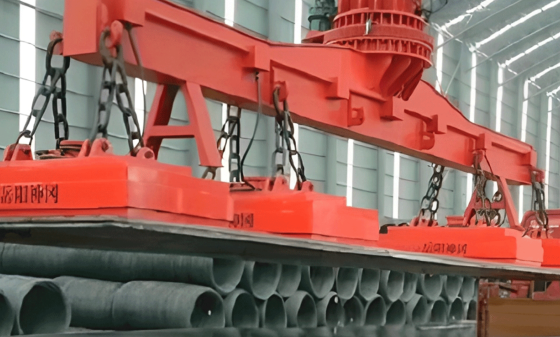
The lifting electromagnetic suction cups are divided into rectangular suction cup electromagnetic magnets, circular suction cup electromagnetic magnets, square electromagnetic suction cups, among others. The applications of suction cups are very extensive. They are especially used in the machining industry and there are also industrial suction cups (such as crane suction cups) that can be applied in foundries, large steel mills, and for workpieces that are difficult to grasp with other machines, etc. They are essential mechanical handling tools (such as electromagnetic suction cups, etc.) during transportation.There are many classifications of lifting electromagnetic suction cups, with the crane being one of the most widely used, also known as suction cup electromagnetic cranes. The manufacturing process of the suction cup electromagnetic magnet is very precise. Different specifications provide different suction forces. The average suction force can reach 10 to 12 kilograms per square centimeter. The suction surface must match the suction cup's adhesion surface; otherwise, it will significantly reduce the efficiency of the suction cup electromagnetic magnet and decrease the suction force.The crucial part of the suction cup electromagnetic magnet mainly involves the development and improvement of the overall AN usage, enhancing the leakage and waterproof performance of the suction cup electromagnetic magnet. After strengthening the waterproof function based on the original design, the product can be submerged for months without a drop of water getting in, and after successful testing, it is massively put into production.The lifting electromagnetic suction cup consists of a closed magnetic circuit made up of winding, yoke, core (pole), and pole light. The electrified conductive coil (coil/winding) generates a certain magnetic field, and the core (pole) rearranges the irregular ferromagnetic metal atoms inside in a regular pattern under the influence of the external coil magnetic field, pointing in one direction, magnetizing to increase flux, thus creating a considerable amount of magnetic flux between the core, yoke, and air gap.In general, the electromagnetic field formed by the electromagnetic magnet is related to the current amount, the number of windings, and the ferromagnetic body at the center. When designing the electromagnetic magnet, attention should be paid to the distribution of the coil and the selection of the ferromagnetic body, utilizing the size of the current to control the electromagnetic field. Because the coil's materials have resistance, the size of the magnetic field that the electromagnetic magnet can produce is limited, but with the discovery and use of superconductors, there may be opportunities to exceed the existing limitations.
Previous page:Already the first
Next page:Already the last
Leave A Message
If you are interested in our products and want to know more details, please leave a message here, we will reply you as soon as we can.